Shelley Manor
Available on Steam
Project information
- Introduction
- Studio
- Skills developed
- Development duration
Third person puzzle game, with fixed cameras in the style of the old resident evil games.
Find your way through a puzzle-filled manor while barely dodging human eating monsters. You wake up in a dark room with one main objective: escape those sharpened teeth. However you shall not worry, you will meet friends along the way.
Tiny Terrors Studio.
Unreal Engine 5.2 (C++ & Blueprints).
9 months (October 2023 - June 2024).
Awards & Recognition
🏆 Our game Shelley Manor has received international recognition in several industry events and competitions:
- WINNER 🏅 – Best Student Game at Gamescom Festival Latam 2025
- Top 5 Best Hobby Game – The Game Development World Championship 2024 (Winter Season)
- Finalist – WINGS Award at Gamescom Festival Latam 2025
- Finalist – Best Animation For Video Game at the Quirino Awards 2025 (results pending)
My role in the project
This project was developed in Unreal Engine as part of my final year at ESAT, in collaboration with a small student studio composed of programmers, artists and designers. The game was successfully published on Steam, and I was primarily responsible for implementing the main character’s logic, enemy AI, animation systems, and interactive objects in the environment.
Core Features & Techniques
🧠 State-driven main character logic
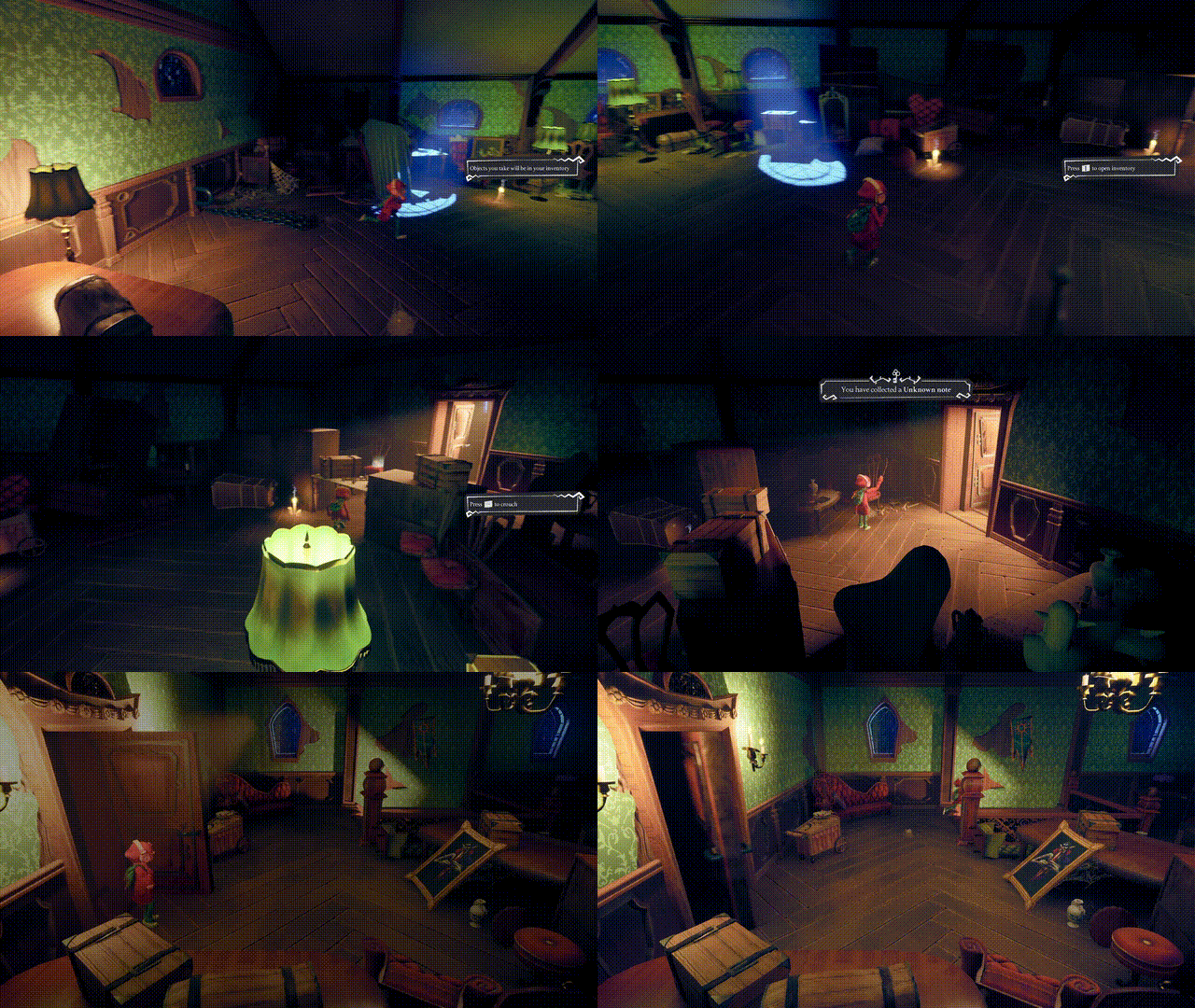
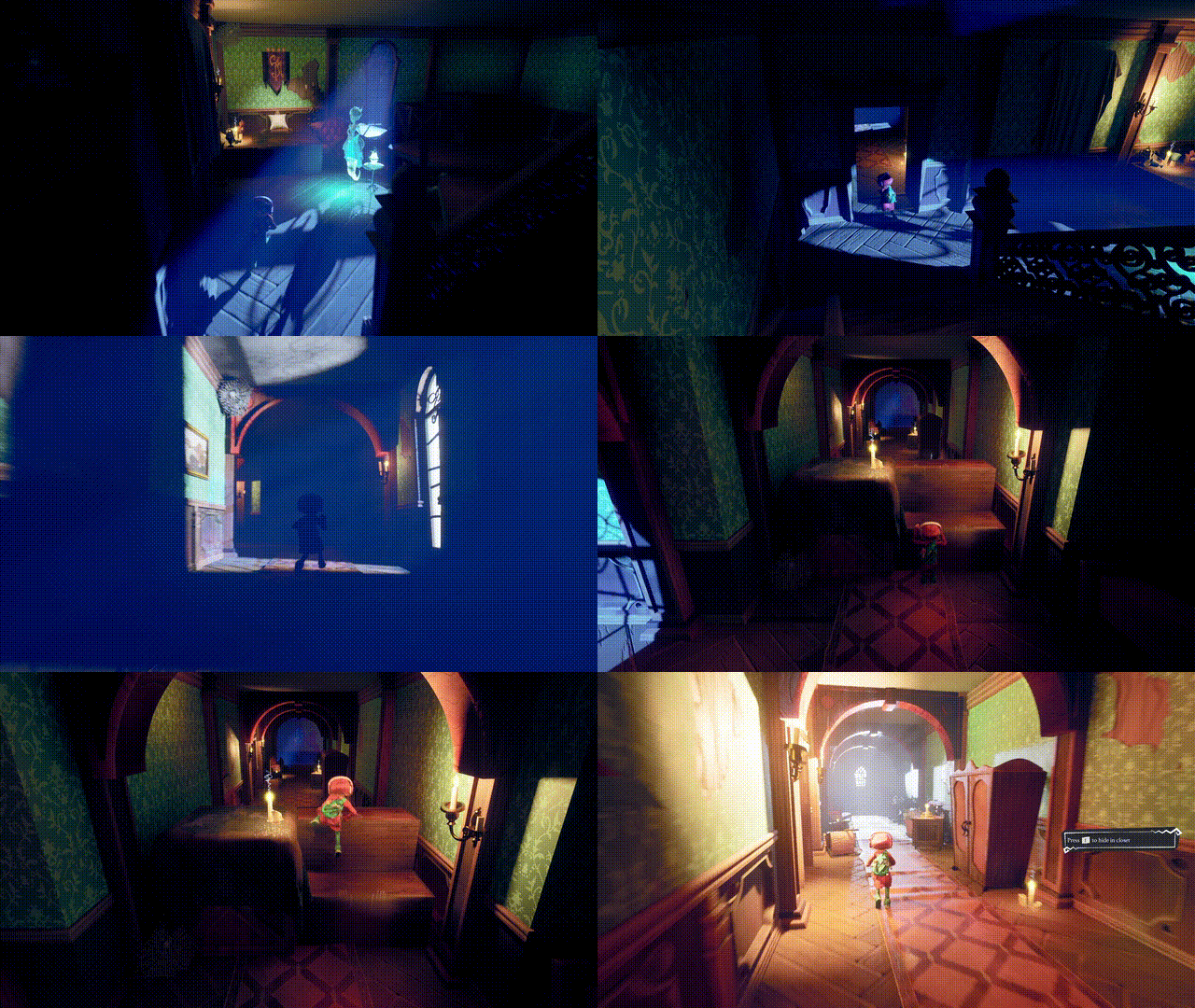
I built a modular state machine system for the main character (Alex), allowing his behavior to dynamically adapt based on his current state — such as locomotion, aiming, dragging, hiding, or interacting.
This system controlled changes in movement speed, collision settings, visibility, and input permissions. Each state class (e.g. UBMLocomotionPlayerState, UBMAimingPlayerState) handled its own logic and transitions in isolation.
👁️ Context-aware interaction system
I implemented a real-time raycasting system tied to the player’s state and animation. It detects nearby interactables, updates UI prompts, and handles input blocking or enabling depending on player conditions (e.g. crouching, dragging, aiming).
🧛 Enemy architecture and Dracula boss AI
I designed the base enemy class used by all enemies, including behavior tree integration, perception logic (sight/hearing), and state control.
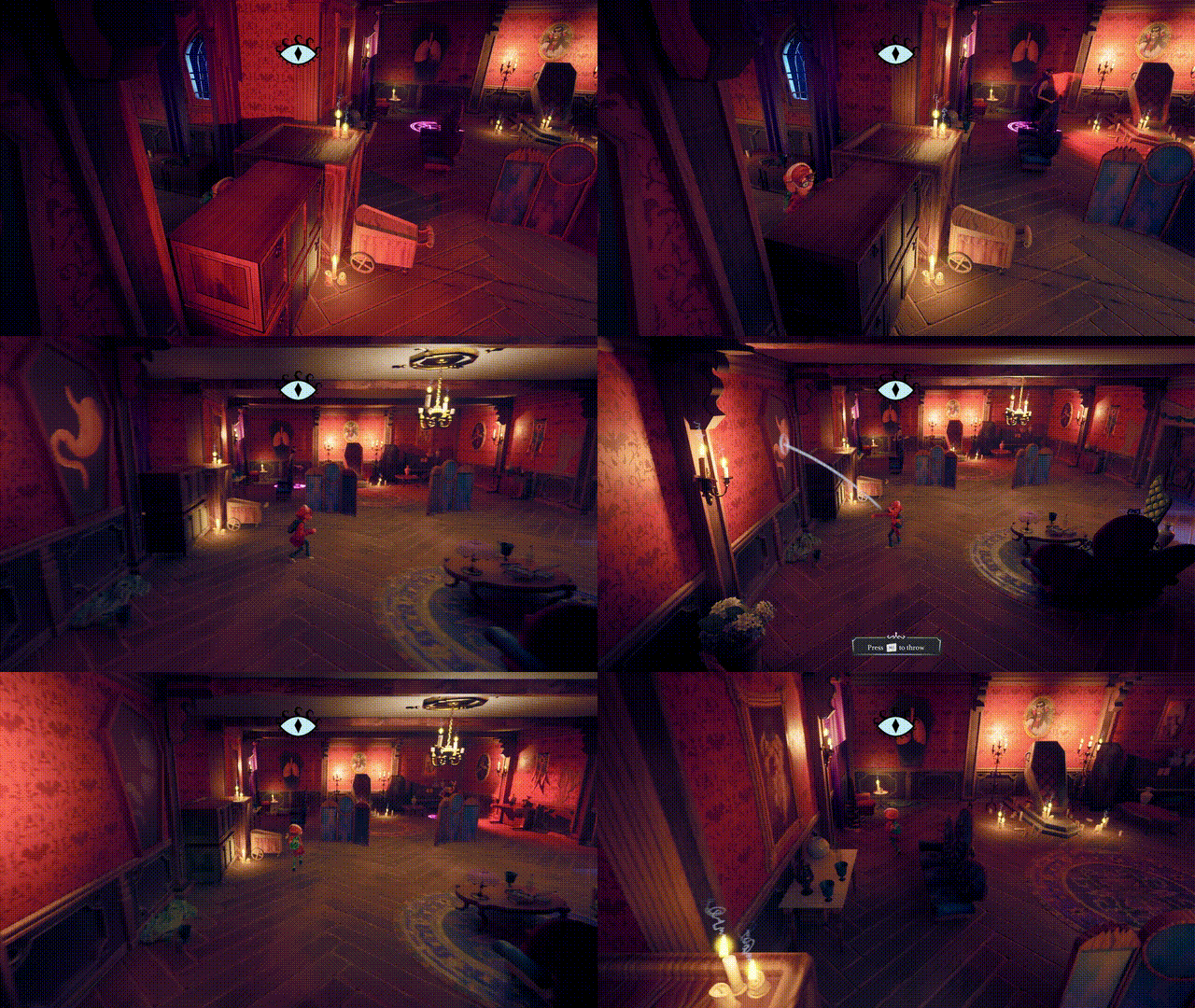
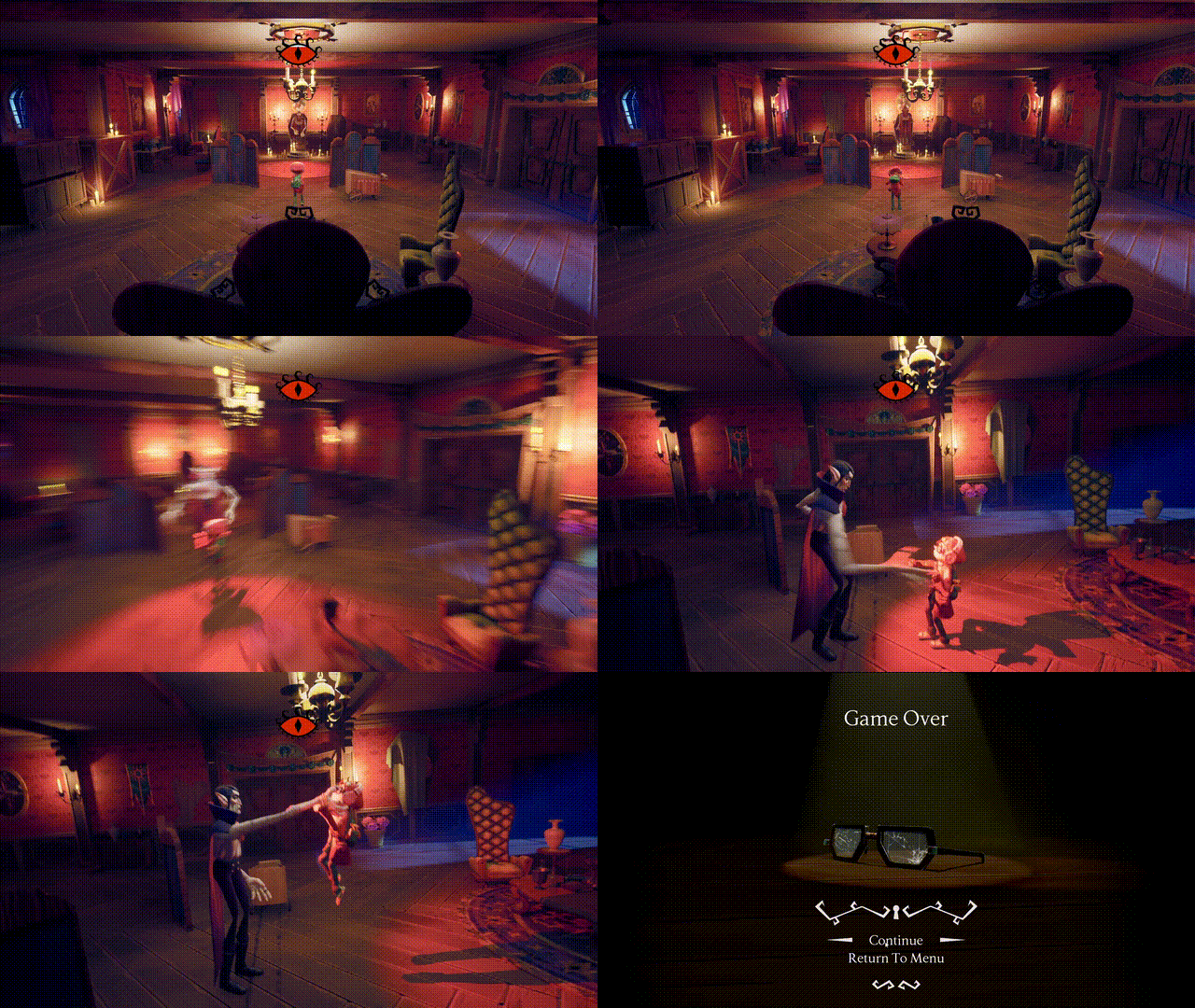
I then focused on scripting the first boss: Dracula. His AI features two distinct phases:
- 🪦 Phase 1: Sleeps in his coffin and wakes up in time or when the player makes noise. If he sees the player for too long, he instantly kills them.
- 🖼️ Phase 2: Teleports around the room to protect three vulnerable paintings. Loud noises force him to teleport near the player.

🎞️ Animation integration with AnimInstance
I integrated all character animation logic through a custom UAlexAnimInstance, controlling state transitions like grabbing, dragging, dying, and jumping.
The state machine system communicated directly with the animation blueprint to keep visuals and logic in sync.
🧩 Interactive gameplay objects
I also created several interactable elements in the world, including:
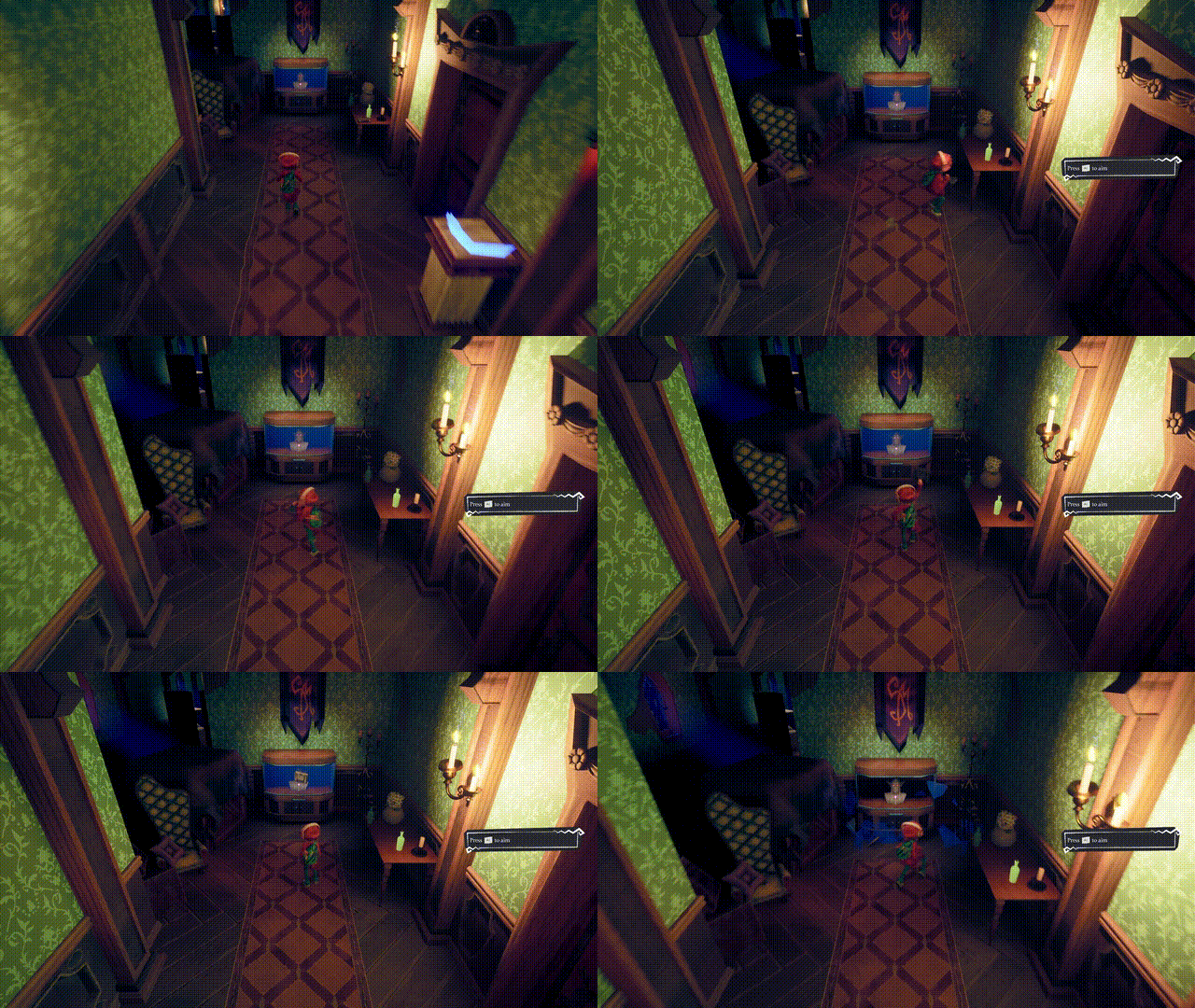
- Breakable bottles that players can throw to create noise or destroy objects.
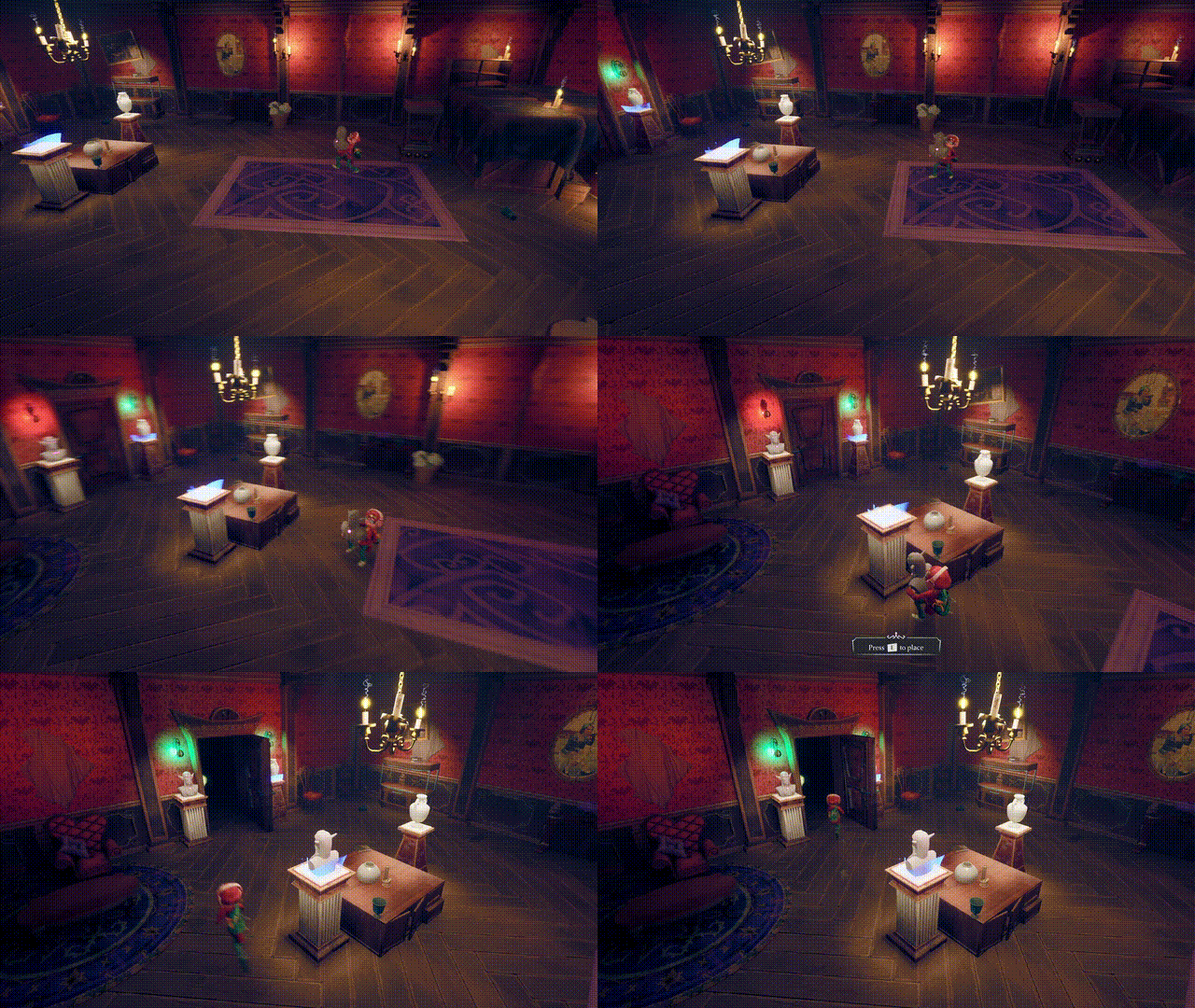
- Busts that must be placed in specific slots to solve puzzles.
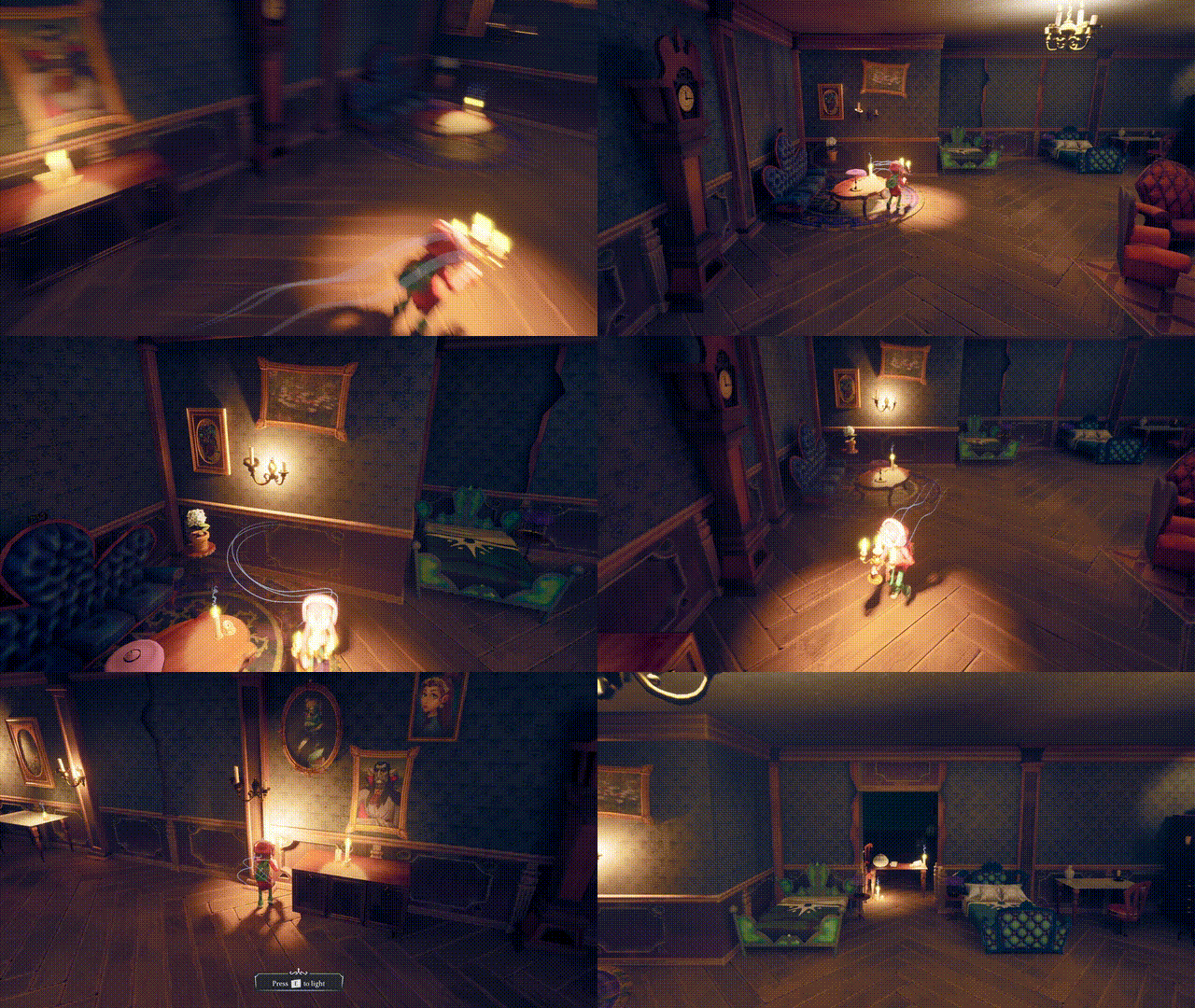
- Torch-based mechanics for illuminating and triggering fire-based interactions.
Key Outcomes
This was one of the most complete and professional projects I’ve worked on, featuring real team collaboration with artists and designers. I had the opportunity to own major systems from scratch, and ship a game to Steam with a team, preparing me for production-ready, multi-disciplinary development.